
Written by J. Dylan White
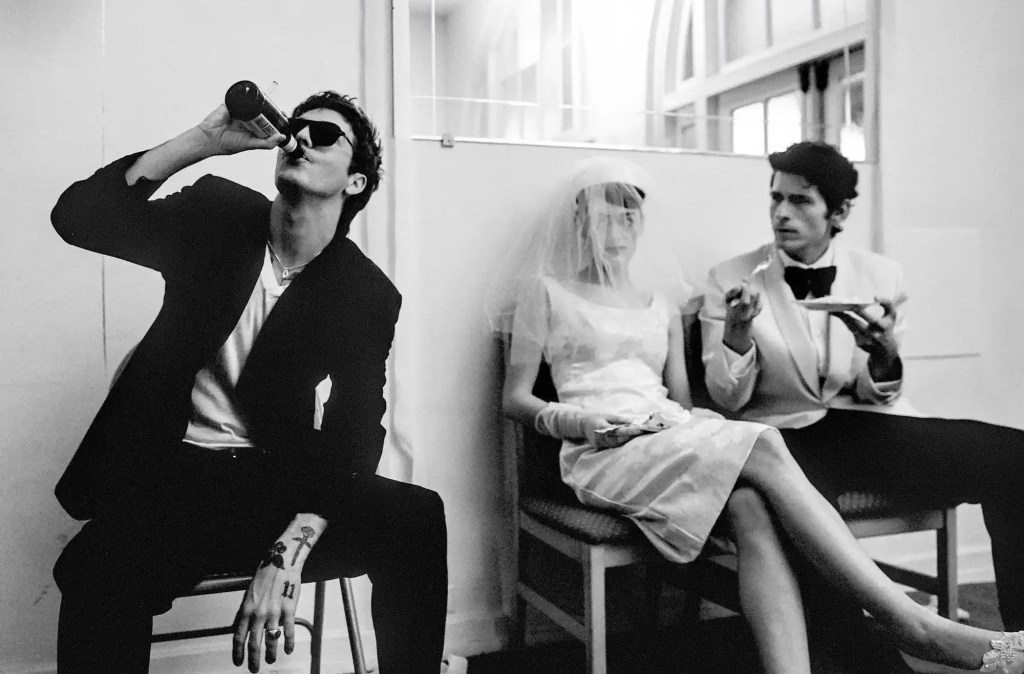
Creating an album from personal experiences is difficult enough, but doing so through the perspective of an alter ego is another layer of added complexity.
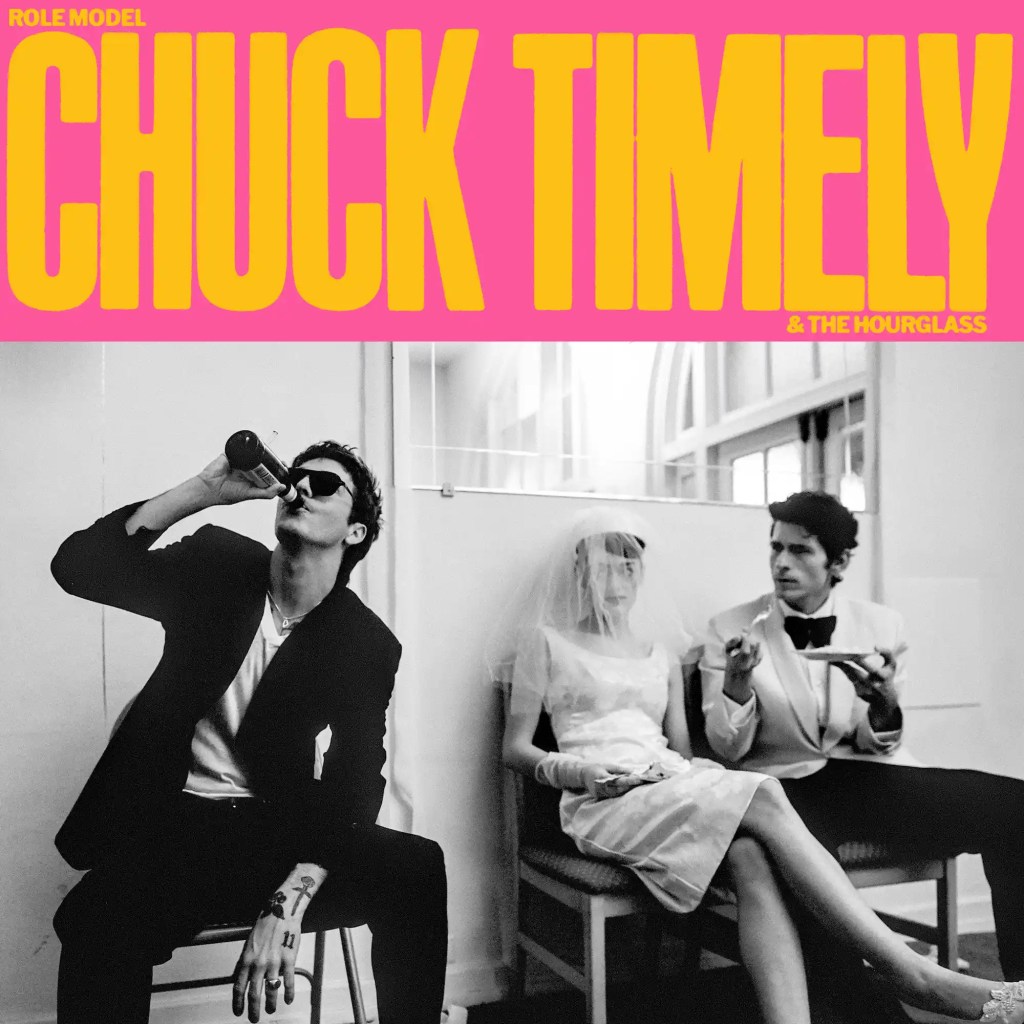
Role Model attempts exactly that on his third studio album, “Chuck Timely & The Hourglass,” an exploration of love, pain and changing life circumstances through his trademark retro styling.
Los Angeles-based singer-songwriter Tucker Pillsbury has been releasing music under the Role Model name since 2017, with the EP “ARIZONA IN THE SUMMER.” His latest release steps into the shoes of a fictional character representing the themes explored in the album, Chuck Timely.
The record follows Timely on a haphazard journey of self-reflection and acceptance while offering sprawling musical storytelling. Fusing Americana, rock and light funk, the album’s structure and style are in line with Bruce Springsteen’s “Born to Run” or Elton John’s “Tumbleweed Connection.”
“Chuck’s Mantra” eases the album’s open with a solo vocal lullaby from the perspective of Timely. Twice repeating the same three stanzas, the lyrics ache for a change in life and lament time as an enemy.
Diving straight into a piano rock venture ripped from the fabric of Billy Joel, “High Hopes 3000” is an upbeat, clap-along track that turns the desire for a radical life change into a night on the town.
“Song Is All You Get” meshes country twang with an easy-going chorus line reflecting on the remnants of a relationship that has soured and left little behind beyond the song itself.
Featuring a waltzing funk beat mirroring the drunk nature of the narrator, “Love I You” offers a monologue from Timely on his misfortunes and calamities in his life while trying to convince a potential lover to leave with him. He sings in the chorus, “Yes, I’m drunk but I’m ready / To take you home, love you long and steady / I’m sweet but I’m messy / But love I you, I do.”
“Chasing Midnight” is a breezy folk track guided by an acoustic guitar and upright bass, its open arrangement capturing the freedom of chasing the night echoed in the choruses. The song marks a progression beyond wishing for a change of scenery in life to capturing a fleeting romantic instant.
Making a slight shift to a soft, slow country ballad, “Good Thing” is a moment of indecision. Pillsbury’s vocals stay fairly suppressed during the track, reflecting the hesitation as he declares in the chorus, “I’m questioning everything / Do I close the door? / Or let you in?”
Overdriven guitars and a hard snare snap Timely back into present reality in “Joy.” Blurring whether he is referring to a physical person or an abstract concept, Pillsbury coyly implores Joy to “come a little closer.”
“Service Receipt” ventures back into the Americana soundscape, mirroring the cars passing the window in the chorus. This track is a relapse into the earlier tracks’ negativity and desperation, questioning whether it matters if Timely stews another night alone.
The song aches for Pillsbury to let loose vocally in the final chorus, and instead he jarringly pulls back. The decision is a questionable one on such an even-keeled album.
“Honeydew” draws closer to the album’s romantic core, stripping down to an acoustic and piano backing while Timely is at his most vulnerable. Identifying with the lover, he croons in the chorus, “I’ve stood in your shoes / I know just what you’re thinking.”
“Stain” represents Chuck’s vacillation between confidence and anxiety about the past, comparing past lovers to a blemish he can’t remove despite his best efforts. A dreamy experience featuring a fluttering flute, sharp snare trills, and a hazy guitar, the track stands out as one of the most memorable on the album.
Featuring some of the most complex and layered storytelling on the record, “The Wedding” begins with Timely resigned to the idea of never getting married before finding himself surprised and relieved that there is someone to fill that void in his life.
“Harmony” closes out the album in an easy island shuffle reflecting on the progression of Timely’s relationship, weaving in recollections of past events. Expressing his gratitude in the chorus, he sings, “Whatever’s keeping you by my side / I’ll do whatever to let that be / In harmony.”
“Chuck Timely & The Hourglass” is an accomplished effort from Role Model as a third studio LP. The album is an ambitious expansion of storytelling prowess from the artist, and it pulls no punches in examining relationships, love, anxiety and joy.
Where it does pull punches, however, is in the technical execution and musical expression of the ideas shared. While there may be artistic reasons for a subdued and suppressed nature at key moments, it risks subverting listeners’ expectations without a proper payoff.
Fans of Role Model will find a trove of new tracks to add to their playlists with this album, and its swanky, vintage sound should appeal to new listeners as well. However, its shortcomings suggest Role Model’s best may still be ahead of him, leaving room for an even stronger release in the future.



Leave a Reply