
Written by J. Dylan White
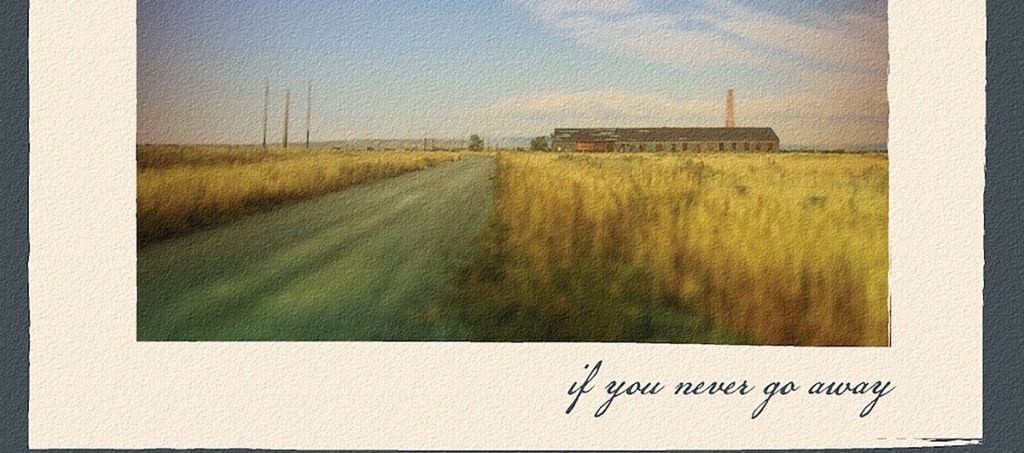
Packaged with strong but delicate vocal storytelling and scorching lyricism mirroring the heat of the Texas sun, Austin-based singer and songwriter BettySoo returns with her first studio album release in more than a decade with “If You Never Go Away,” a thoughtful and intentional outing in the folk landscape.
The endearingly nicknamed “Queen of the Bummer Jams” last produced a studio album in 2014 with the release of “When We’re Gone,” which was positively received, and she taps into a similar vein of smart, crafty and often downright melancholy Americana while gaining some maturity with age.
Most striking and haunting about the singer-songwriter is her voice. Pure, clean and seemingly gliding with ease, BettySoo’s greatest asset lies not just in the lyrics she’s singing, but the skill with which she does it.
“What Do You Want from Me Now” kicks off the album with an easygoing, steady track belying the exasperation of the lyrics asking a lover “Tell me baby / What do you want from me now?” The acoustic guitar, violin and drum kit all work together to provide a crisp, seamless accompaniment behind the main vocal line to set the expectation of what will be presented the rest of the album’s runtime.
An insistent snare beat drives “Memento” through the verses and choruses. The energy and breadth of sound expands on this track with an electric organ solo gracing the middle portion.
The scorn and bitterness drip off every “Why would I want to know?” BettySoo utters, and the track is much more relatable and memorable for it.
“Lovering” is a fun, beachy romp with a heavy electric organ presence dialed up from the previous track. Following the pattern of the album thus far, this track is focused on delivering the lyrical message above complex or intricate musicality. This allows the words of each song to shine through but could wind up feeling a little hollow if weaving instrumental lines are desired.
Slowing down the pace from the opening trio of songs while assuming a brooding tone, “Things Are Gonna Get Worse” offers a cynical and pessimistic outlook on the world and urges listeners take caution against dangers and snares. In the opening verses of the track, BettySoo cries, “Don’t believe a word comes with no condition / You don’t get nothing in this world for free,” and marches her words along with the steady shuffling slide of the snare drum.
“Light It Up” makes an abrupt about-face with an energetic horn and brass line in the opening and interludes on the track, which was released as a single. It gives the flow of the album a jolt from the slower and more somber preceding tracks, but it does maintain the theme of “falling apart” and metaphorically setting everything on fire to start over from the ground up.
“What Would I Do” immediately pulls back from the vivacious outburst from “Light It Up,” but the ballad is one of the standouts of the entire record. A harmonious electric guitar riff accompanies the rising vocal asking the question, “What Would I Do?” in a painful self-reflection of the singer’s connection and ensnarement with an apparently troublesome relationship.
This track contains the best vocal work on the album so far, with BettySoo reaching further into her higher register to drive home the emotional anguish she wishes to convey.
“Love, Fear, or Hunger” is another fantastic track that is a great dovetail to its predecessor, and in many ways is even better. In the opening verse, the line “On nights you don’t call, honey / I don’t sleep so good / Not so good anymore” succinctly encapsulates the longing and desire for the person referenced. The drumbeat, organ and guitar work together to create a complimentary ear-pleasing melody for the lyrics in the wryly ironic style of the album in a nearly perfect fashion.
Although the vocal performance is not as flashy as on other tracks, it is simultaneously delicate but resolved in a captivatingly resilient way.
“Human Echo” is a jazzy, relaxed ballad that prominently showcases BettySoo’s gentle, ethereal voice settling atop the organ and kit. Despite being over four minutes long, this song goes as quickly as it starts and is a soothing listen.
Following is “Gold Stars,” which is one of the lower points of the album, only accented due to being paired with some of the strongest points of the release. As the shortest song on the record, it moves along pretty quickly, but the intonation seems a little off in the repetitive melodic rhythm that lacks some of the folksy charm of previous tracks.
“Rewind” rights the ship with a return to form in a country shuffle that exists in a similar realm to Soccer Mommy’s song “Feel It All the Time.” “Rewind” sees the highest vocal pitch that BettySoo hits on the release as she croons “It’s times like this I wish I could close my eyes and disappear.” Reflecting on second chances and additional opportunities, the entry provides a return to form for the record but doesn’t necessarily carve out a unique niche.
A beautiful, heartfelt track in “Still” contains some of the most emotional, effective lyricism on “If You Never Go Away.” Every line is thoughtfully crafted and backed by mellow, rhythmic tom fills as the song reflects on the steady trustworthiness of the singer’s lover and the comfort found in that person.
Swelling drumrolls and steady guitar picking occupy the soundwaves on “Dreams,” a pleasant exploration of desire and aspirations. In the choruses, BettySoo proclaims, “It’s time for longing, hope and wanting, wishes and yearning, for the dreams that burn in you / I know it feels like make believe when dreams seem so far out of reach.”
Providing an optimistic, forward-looking perspective that contrasts with the gloomy and somber tone much of the rest of the album possesses, “Dreams” serves well as the penultimate track on the release.
“Gulf Road” closes and sees the addition of Americana and folk singer James McMurtry lending his drawl to the leisurely backbeat. Tying together prevalent sonic elements appearing throughout the album’s runtime like the electric organ, electric guitar solos and distinctive folk snare-kick combo, the track is a satisfying and fitting closer for the album that accentuates the intended vibe and message of the entire LP.
For fans of introspective folk, “If You Never Go Away” is a haunting, heartfelt journey that lingers long after the final note. While not a perfect album, it takes some swings that are bold, like the varied percussive rhythms and explosive brass presence on lead singles, and tries to forge its own unique path.
While some risks pay off, others leave a little to be desired, lacking some focus or technical refinement with instrumentation or intonation, but the overall package still is worthwhile. Some of the gems hiding within, however, are most memorable and affectual.




 Sound Words Central
Leave a comment